




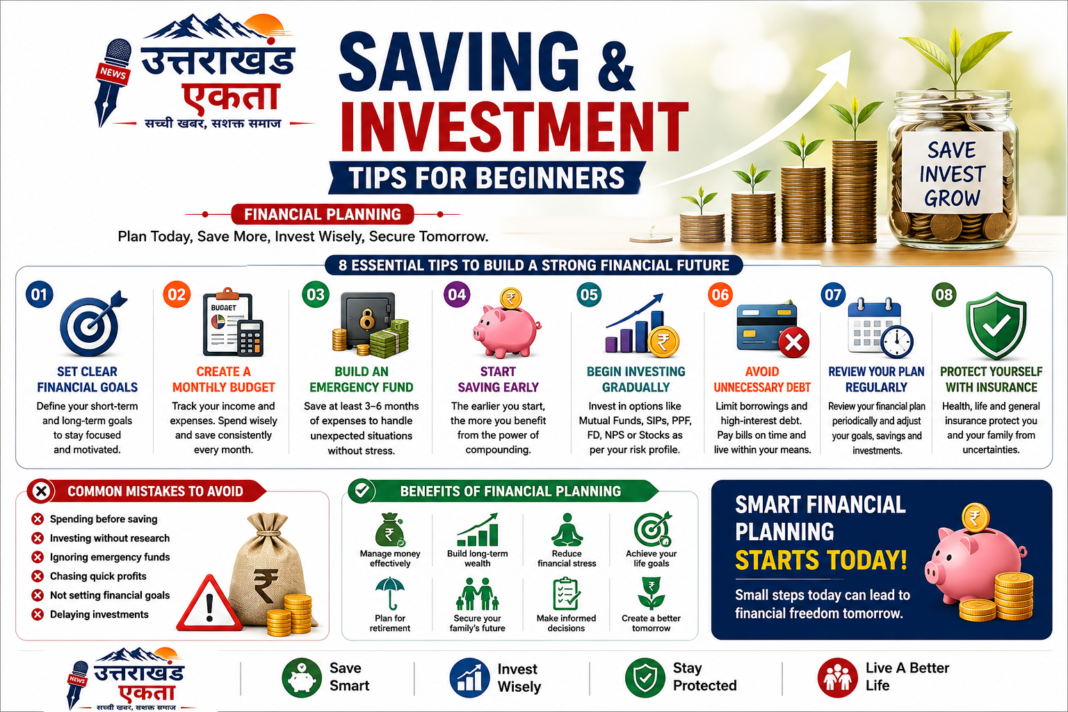

Managing your money wisely is one of the most valuable life skills you can develop. Whether you’re just starting your career, running a small business, or planning for your family’s future, good Financial Planning helps you achieve your goals while reducing financial stress.
For beginners, saving and investing may seem overwhelming. However, by following a few simple strategies, you can build wealth gradually and create long-term financial security.
Why Financial Planning Is Important
Financial Planning is the process of managing your income, expenses, savings, and investments to achieve both short-term and long-term financial goals.
A proper financial plan helps you:
- Build financial security
- Prepare for emergencies
- Reduce unnecessary debt
- Achieve life goals
- Grow your wealth over time
- Enjoy peace of mind
1. Set Clear Financial Goals
The first step in Financial Planning is defining what you want to achieve.
Examples include:
- Building an emergency fund
- Buying a home
- Starting a business
- Children’s education
- Retirement planning
- Dream vacation
Clear goals help you stay focused and motivated.
2. Create a Monthly Budget
Track your monthly income and expenses to understand where your money goes.
A simple budget should include:
- Household expenses
- Food & groceries
- Transportation
- Savings
- Investments
- Entertainment
- Emergency fund
Budgeting helps prevent overspending and increases savings.
3. Build an Emergency Fund
Before making investments, create an emergency fund that covers at least 3–6 months of essential living expenses.
This fund can help you manage:
- Medical emergencies
- Job loss
- Unexpected repairs
- Family emergencies
4. Start Saving Early
One of the biggest advantages in Financial Planning is time.
Even small monthly savings can grow significantly through the power of compounding.
The earlier you start, the greater your long-term financial growth.
5. Begin Investing Gradually
After building an emergency fund, start investing according to your financial goals and risk tolerance.
Common investment options include:
- Mutual Funds
- SIPs (Systematic Investment Plans)
- Fixed Deposits
- Public Provident Fund (PPF)
- National Pension System (NPS)
- Stocks (after proper research)
Diversifying your investments helps manage risk.
6. Avoid Unnecessary Debt
High-interest loans and excessive credit card spending can slow down your financial progress.
Try to:
- Pay bills on time
- Limit credit card usage
- Borrow only when necessary
- Reduce outstanding debt quickly
7. Review Your Financial Plan Regularly
Your financial needs change over time.
Review your Financial Planning at least once a year to:
- Update goals
- Increase savings
- Rebalance investments
- Adjust insurance coverage
- Track progress
8. Protect Yourself with Insurance
Insurance is an essential part of financial planning.
Consider:
- Health Insurance
- Life Insurance
- Accident Insurance
- Vehicle Insurance
- Property Insurance
Insurance protects your finances from unexpected events.
Common Mistakes Beginners Should Avoid
❌ Spending before saving
❌ Investing without research
❌ Ignoring emergency funds
❌ Chasing quick profits
❌ Not setting financial goals
❌ Delaying investments
Avoiding these mistakes helps build a stronger financial future.
Benefits of Financial Planning
Professional Financial Planning helps you:
- Manage money effectively
- Build long-term wealth
- Reduce financial stress
- Achieve financial independence
- Plan for retirement
- Secure your family’s future
- Make informed investment decisions
Conclusion
Good Financial Planning isn’t about earning more—it’s about managing your money wisely. By saving consistently, investing thoughtfully, and planning for the future, you can build a stable financial foundation and achieve your life goals with confidence.
Start today, stay disciplined, and let your money work for you over time.